Wondering whether Moraga Country Club is the right move for your next home purchase? It can be an appealing option if you want a built-in lifestyle, convenient amenities, and a more structured neighborhood setting, but it is not the best fit for every buyer. If you are weighing the pros, costs, and day-to-day experience of living here, this guide will help you understand what to expect in Moraga Country Club and how to decide if it matches your priorities. Let’s dive in.
What Moraga Country Club Is
Moraga Country Club is a private club and HOA community in Moraga with 521 private residences. According to the club, it was established in 1973 and includes a 22,000-square-foot clubhouse, restaurant, swimming pool, racquet facilities, fitness center, courtside grille, and an 18-hole golf course.
This is a bundled community with formal governance through CC&Rs, bylaws, and rules and regulations. The club identifies several membership classes, including Owner Members, Golf Equity Members, Swim and Tennis Affiliates, and Social Affiliates. The club also notes that residential owner members are automatically part of the club as an amenity to the neighborhood and included in monthly dues.
Moraga Setting and Lifestyle
Moraga adds an important layer to the appeal. The Town of Moraga describes itself as a welcoming, semi-rural East Bay town with scenic hills, open space, and about 17,000 residents. Many residents commute to nearby cities, but the town is also known for its small-town feel and strong connection to the outdoors.
If you like a suburban setting with natural beauty, Moraga offers a lot beyond the club gates. The town highlights trails for walking, hiking, and running, and the Lafayette-Moraga Regional Trail connects to Moraga Commons, downtown Moraga, nearby schools, and County Connection bus lines that reach Lafayette BART. That means your lifestyle here can include both club amenities and broader town recreation.
Amenities That Shape Daily Life
For many buyers, the biggest draw is how much of daily recreation is already built in. Moraga Country Club centers around golf, racquet sports, aquatics, dining, fitness, and social programming, which can make everyday life feel more convenient and connected.
The golf course is a Robert Muir Graves design that plays to 6,150 yards and par 71. If golf is part of your routine, that can be a meaningful advantage over a standard suburban neighborhood.
The racquet offering is also substantial. The club features 10 tennis courts and 6 permanent pickleball courts, giving residents multiple ways to stay active.
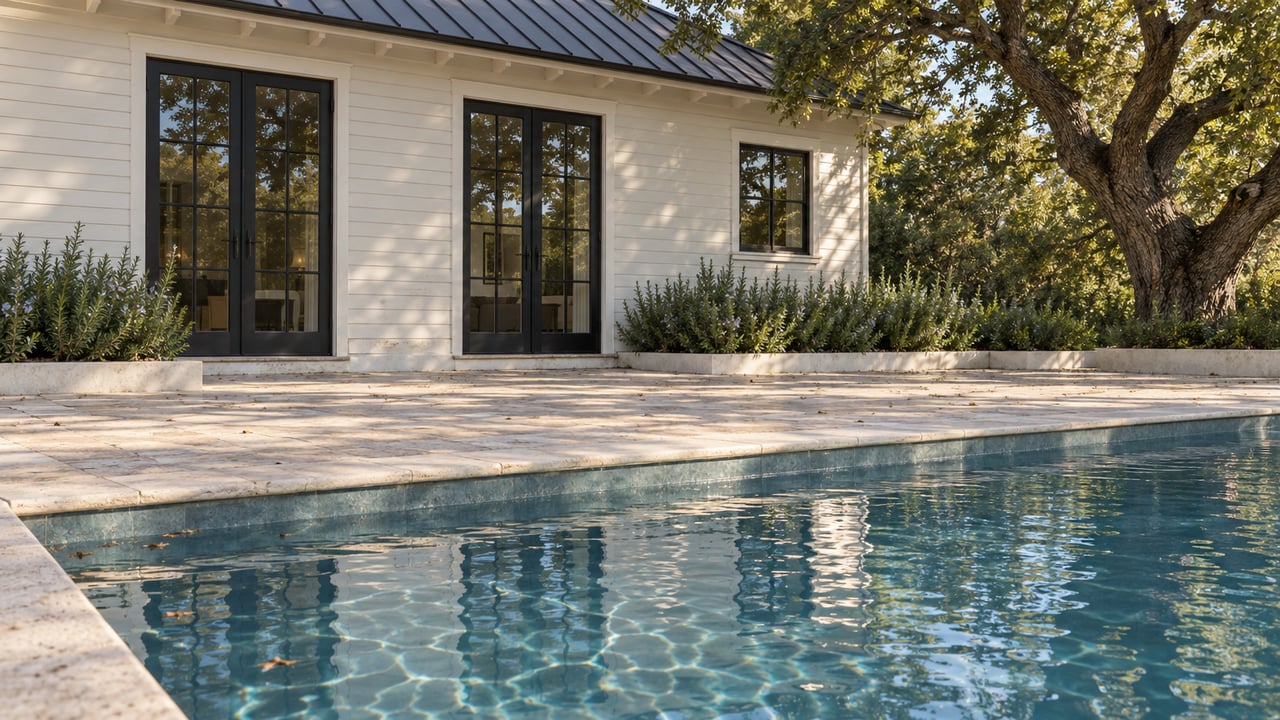
Aquatics are part of the year-round lifestyle as well. The pool area includes a heated Junior Olympic pool, a wading pool, and two spas.
Beyond that, the club highlights three bocce courts with daily league play, a newly furnished fitness center, and dining service. For buyers who value convenience, these amenities can reduce the need to piece together recreation across multiple memberships and locations.
Homes in Moraga Country Club
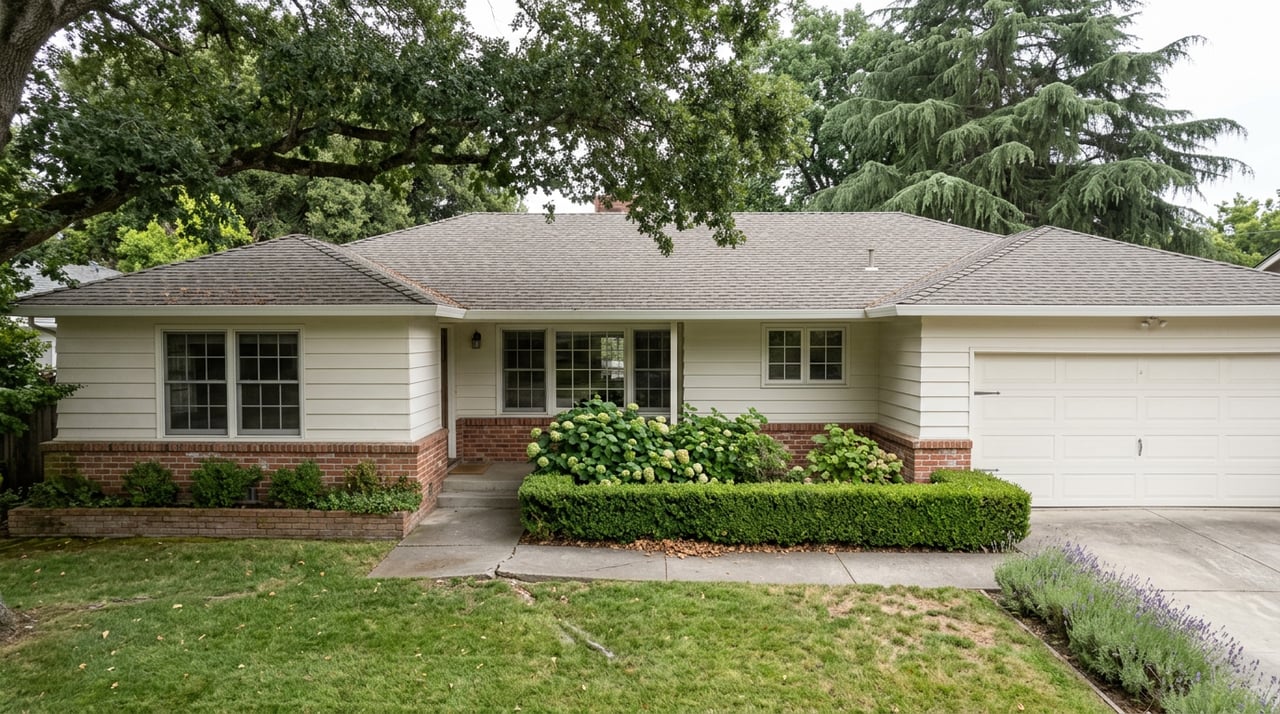
Moraga Country Club is not a one-style neighborhood. Current listing examples show a mix that includes 1970s townhomes and detached single-family homes, which gives buyers more than one entry point into the community.
Examples cited in current listings include a 3-bedroom, 2-bath, 1,749-square-foot townhouse built in 1973 at 770 Country Club Drive, a 3-bedroom, 2-bath detached home at 173 Cypress Point Way, and a 5-bedroom, 3-bath single-family home built in 1987 at 2 Carnoustie. That range suggests the neighborhood may appeal to buyers seeking either a lower-maintenance home or a larger detached residence.
This variety matters because your experience of the community may depend on the type of home you choose. Some buyers are looking for ease and simplicity, while others want more interior space and a traditional single-family layout.
Price Point and Market Position
Moraga Country Club sits in the premium suburban range. Redfin reported a May 2026 median sale price of $1,599,462 for the neighborhood, while Realtor.com reported 4 homes for sale and 2 rentals.
Current listing examples also suggest a broad pricing spread. Based on those examples, townhome-style properties may fall in the low-$1 million range, while larger detached homes may reach the low-to-mid-$2 million range.
For buyers, this means the community can serve different goals within a higher-end market. But it also means you should compare not just the list price, but the full cost of ownership, including dues, fees, and the membership structure attached to a specific property.
Why Buyers Choose Moraga Country Club
The main advantage of this kind of community is convenience. Shared amenities, organized social structure, and common-area maintenance can create a more turnkey lifestyle than you may find in a non-club neighborhood.
For some buyers, that built-in structure is a real benefit. If you want easy access to golf, tennis, pickleball, swimming, dining, and social programming without driving across town, Moraga Country Club can make daily life more efficient.
It may also appeal to buyers who like an orderly environment with clear standards. The community publishes governing documents and policies, and board meetings are open to general membership.
Trade-Offs to Consider
The same structure that attracts some buyers can be a drawback for others. Moraga Country Club operates under formal rules, and that typically means less flexibility than you would have in a neighborhood without HOA and club oversight.
The club publishes architectural rules, assessment-collection policy, membership waitlist policies, and a fee schedule. If you prefer maximum freedom around home changes, rental use, or community requirements, this type of environment may feel restrictive.
Cost is another major factor. The club’s 2026 fee page lists an Equity Member initiation fee of $75,000 with monthly dues of $1,008, and a Swim & Tennis initiation fee of $15,000 with monthly dues of $775. Fee treatment can vary by membership class and property, so buyers should verify the exact structure tied to the home they are considering.
Who It May Fit Best
Moraga Country Club tends to fit buyers who want an amenity-rich suburban lifestyle in Moraga. It can be especially attractive if golf, racquet sports, swimming, dining, and a structured community setting are high on your list.
It may also appeal if you like the idea of having recreation and social opportunities close to home. Instead of building your lifestyle around separate memberships and destinations, you may be able to keep much of it within the community.
In contrast, it may be a weaker fit if you want very few rules or a transit-first urban lifestyle. Moraga offers car, transit, bicycle, and walking access, but the overall setting remains suburban rather than rail-centric.
Questions to Ask Before You Buy
Before making an offer in Moraga Country Club, it is important to verify the details of the specific property. Two homes in the same community can still come with different practical considerations.
Here are some key items to confirm:
- The exact membership class attached to the property
- Whether club access is automatic or separate for that home
- The current monthly HOA or club dues for the specific property
- Any initiation, transfer, or waitlist requirements
- Architectural approval rules and other CC&R obligations
- Rental restrictions tied to the home or membership
- The current reserve study and assessment policy
- Any additional fees or registration charges in the club schedule
These details can have a meaningful effect on affordability, flexibility, and long-term satisfaction. A careful review upfront can help you avoid surprises later.
How to Decide if It Is Right for You
The best way to evaluate Moraga Country Club is to look beyond the headline amenities. Ask yourself how often you would realistically use the golf, racquet, pool, dining, and fitness offerings, and whether that convenience justifies the monthly cost and community structure.
You should also think about how you want your home to function. If you prefer a more lock-and-leave setup, a townhome-style residence may be worth exploring. If you want more square footage or a detached home feel, the single-family options may be more aligned.
Finally, compare the community to your broader goals in Moraga. If you want a polished suburban setting with access to outdoor recreation, local trails, and club-centered living, this neighborhood may be a strong match. If your priorities lean toward fewer restrictions and more independence, another Moraga neighborhood may suit you better.
If you are considering a move in Moraga, the right guidance can make the decision much clearer. The Beaubelle Group offers thoughtful local insight and discreet, high-touch representation to help you evaluate whether Moraga Country Club fits your goals and lifestyle.
FAQs
What is included with Moraga Country Club living?
- Moraga Country Club includes club-centered amenities such as a clubhouse, restaurant, pool, racquet facilities, fitness center, courtside grille, bocce courts, and an 18-hole golf course, with governance through HOA and club rules.
What kinds of homes are in Moraga Country Club in Moraga?
- Current listing examples show both townhomes and detached single-family homes, with homes ranging from 1970s-era residences to later-built detached properties.
What does Moraga Country Club cost beyond the home price?
- Buyers should factor in monthly dues, possible initiation fees, transfer costs, and any waitlist or additional charges tied to the property’s membership class.
Is Moraga Country Club a good fit for buyers who want fewer rules?
- It may be less appealing if you want maximum flexibility, because the community operates under CC&Rs, bylaws, rules, architectural requirements, and other formal policies.
How does Moraga Country Club compare to a more urban lifestyle?
- Moraga Country Club offers a suburban, amenity-driven setting with access to local trails and town connections, but it is not a rail-centric or urban-style environment.
What should buyers verify before buying in Moraga Country Club?
- Buyers should confirm the exact membership class, dues, initiation or transfer fees, waitlist requirements, architectural rules, rental restrictions, reserve study, assessment policy, and any added fees for the specific property.