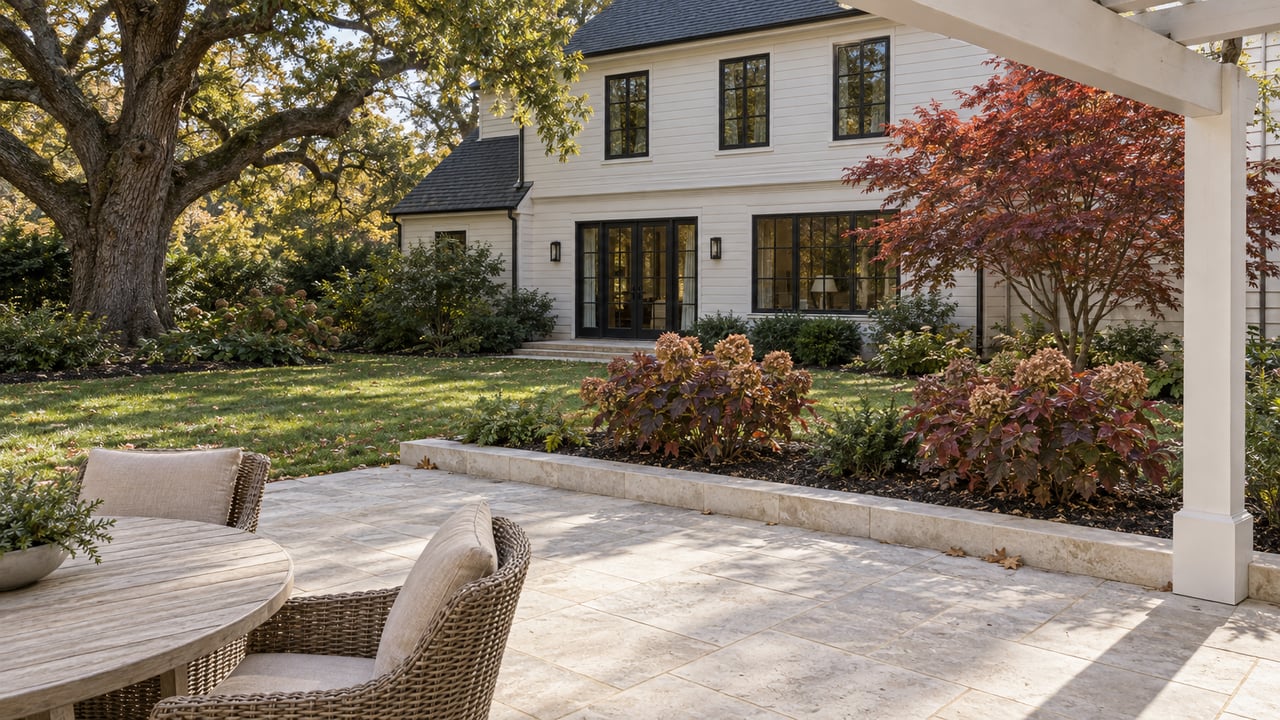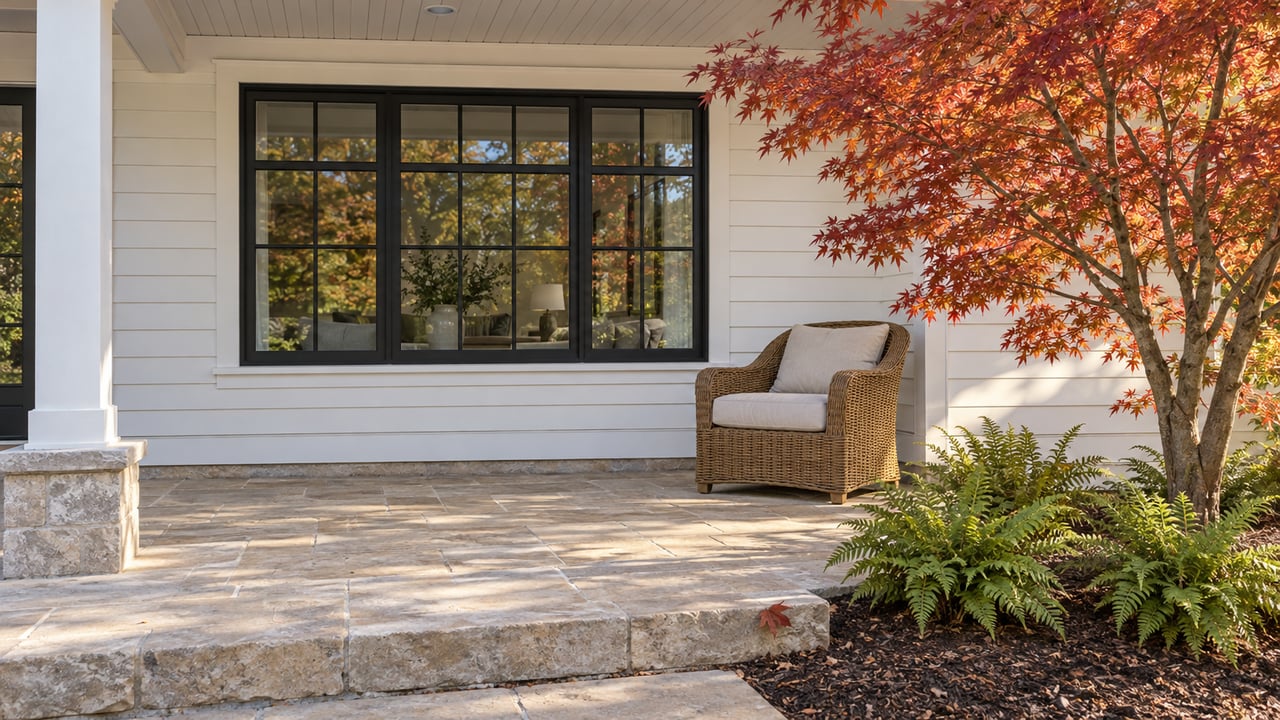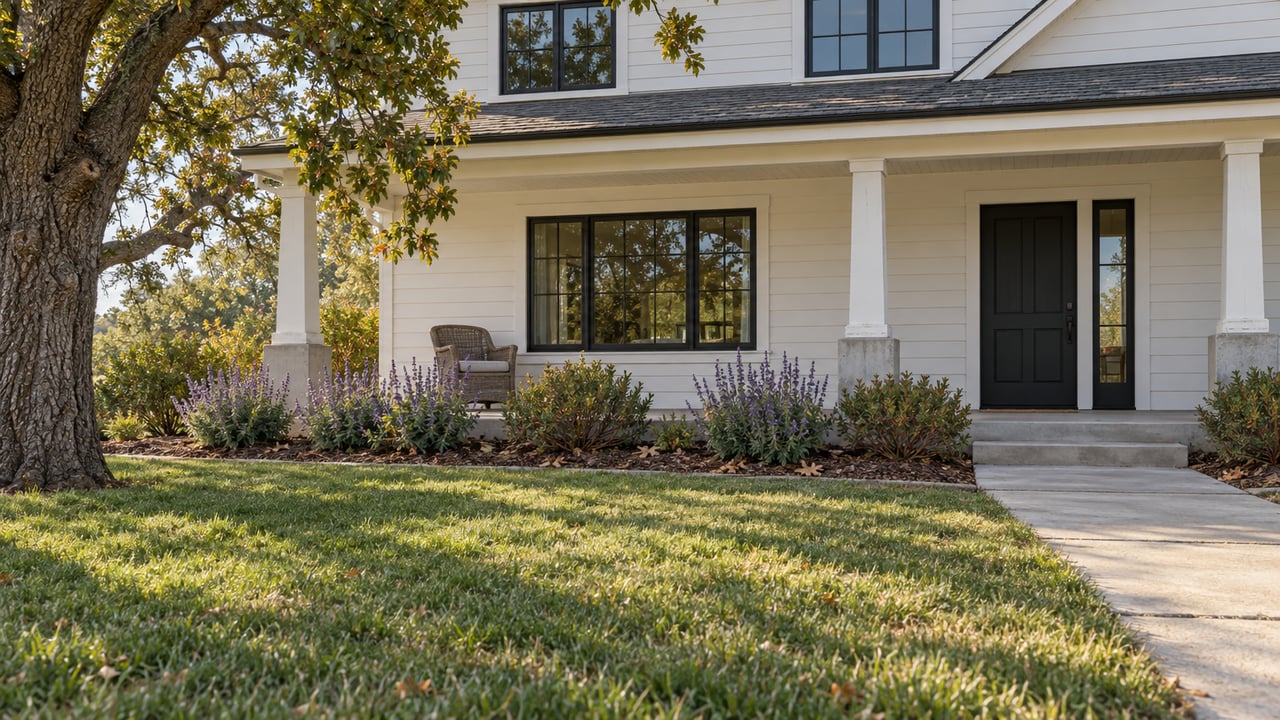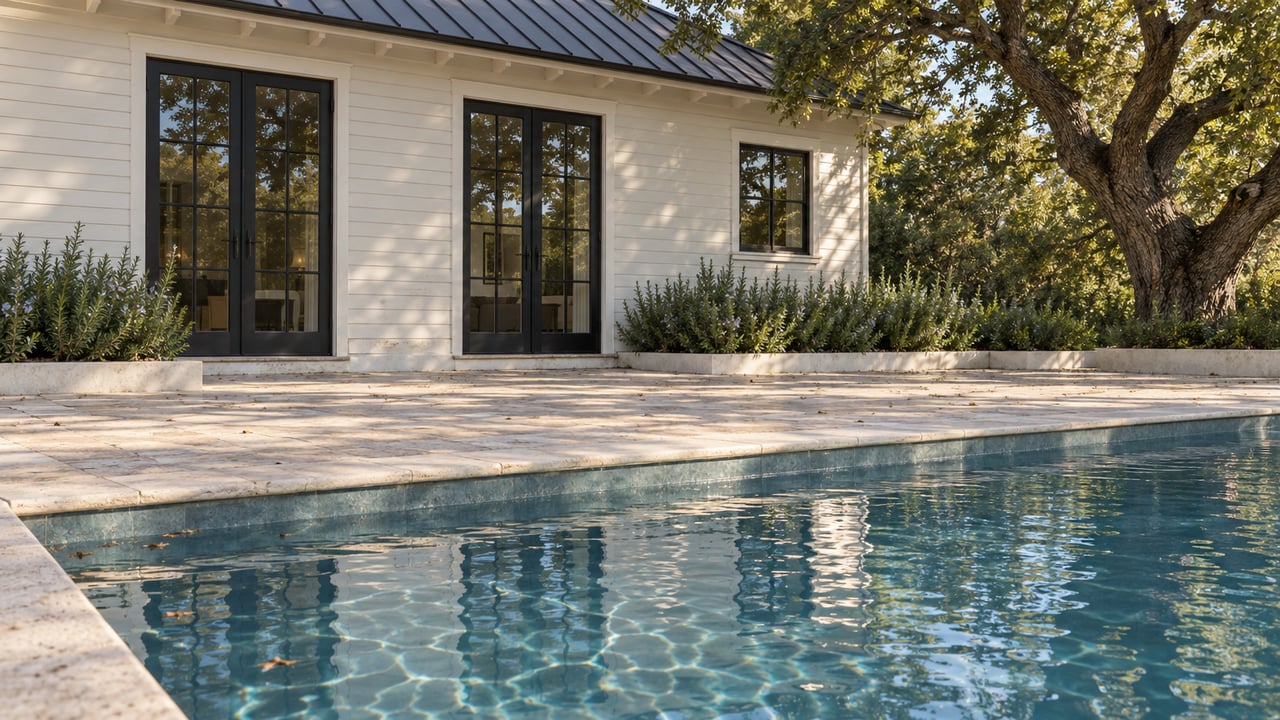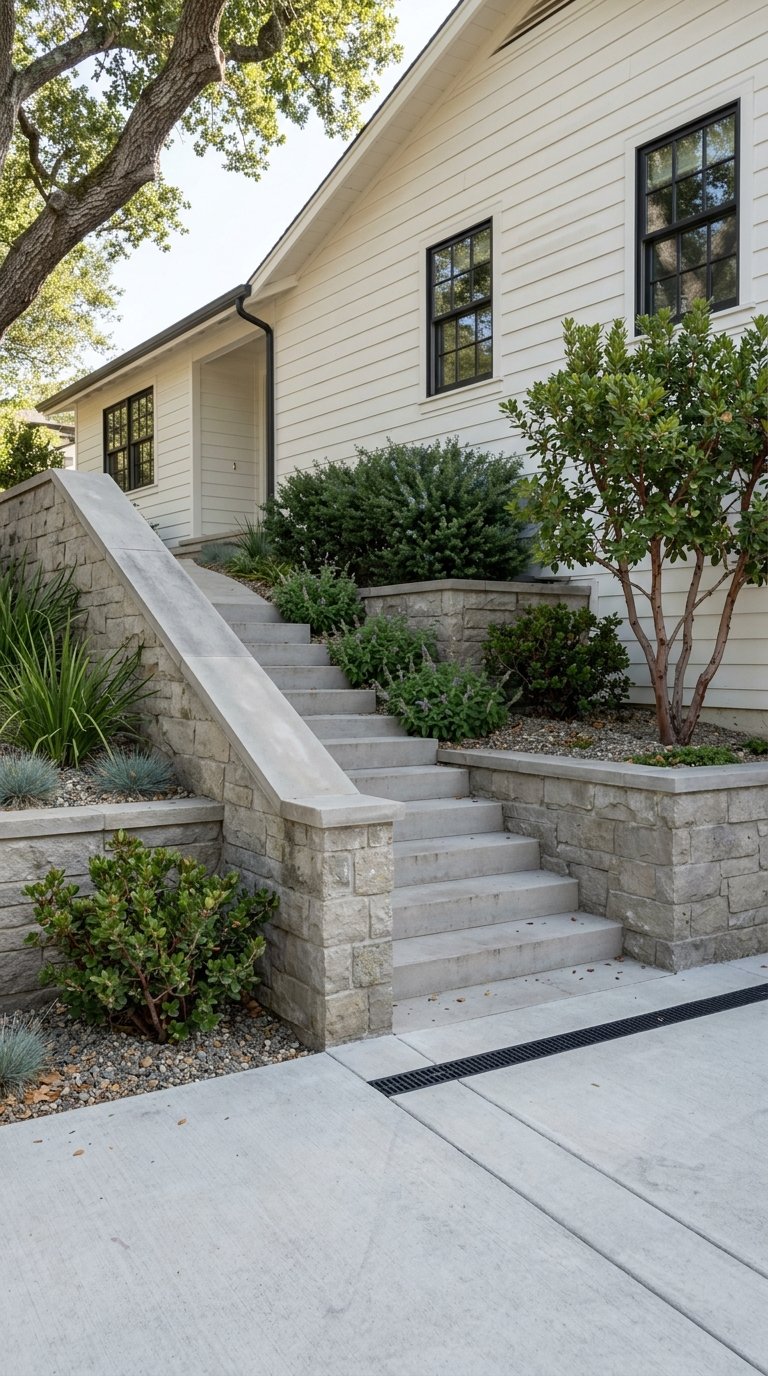
If you are getting ready to sell a hillside home in Orinda, you are not just preparing a house. You are preparing the lot, the access, the vegetation, the views, and the paper trail that explains how it all works together. Buyers tend to look closely at hillside properties because slope, drainage, wildfire exposure, and driveway access can shape both confidence and value. With the right pre-listing plan, you can present your home clearly, reduce surprises, and bring your property to market with more authority. Let’s dive in.
Why Orinda hillside homes need extra prep
Orinda treats hillside property differently for a reason. The city’s hillside regulations are designed to preserve natural terrain, environmental quality, and the semi-rural character of its wooded ridges and hillsides, as outlined in the Orinda hillside development standards.
That local framework affects how buyers evaluate your home. A hillside property is often judged not only on its interior finishes and views, but also on how naturally the home sits on the lot, whether the slope appears well managed, and whether visible site work feels orderly and well documented.
In Orinda, parcels with an average slope above 15% or a significant ridgeline or hilltop may require specific authorization for grading. The city also expects grading plans to account for geology, stream beds, and tree cover while minimizing erosion, slides, flooding, and visual impact, according to the city code on grading in hillside areas.
Start with disclosures and due diligence
Before your home goes live, one of the smartest steps is building a clean, organized disclosure package. For hillside homes, this step matters even more because buyers may ask for details about grading, retaining walls, drainage, decks, driveways, and tree work very early in the process.
California requires sellers of single-family residential property to complete and deliver a Transfer Disclosure Statement as soon as practicable before transfer of title. If required disclosures arrive after an offer or contract is signed, the buyer may have a 3-day or 5-day right to terminate depending on how those disclosures were delivered.
The California Department of Real Estate also notes in its disclosure guide that the TDS describes property condition and is not a warranty. The same guide explains that reports from professionals such as an engineer, geologist, surveyor, contractor, or similar expert can help satisfy disclosure obligations and may limit liability.
Documents to gather before listing
For an Orinda hillside home, try to collect documents that help explain both the property’s condition and the history of site work. Useful records may include:
- Permits and final approvals for grading
- Drainage-related permits or plans
- Retaining wall permits and completion records
- Driveway and access improvement permits
- Deck permits and finals
- Tree removal permits or arborist recommendations
- Geotechnical, structural, or arborist reports
The city’s guidelines and planning resources also show that hillside and ridgeline improvements can trigger review more often than sellers expect. Even work that looks routine may be something buyers want clarified.
Check natural hazard and wildfire status early
Wildfire questions are now part of the normal buyer conversation in many East Bay hillside markets. In Orinda, it helps to answer those questions before they are asked.
California’s Natural Hazard Disclosure framework can include very high fire hazard severity zones, wildland fire zones, seismic hazard zones, flood hazards, and other mapped risks. The DRE notes that these hazards can affect development, insurance, and disaster assistance.
For Orinda specifically, the city advises owners to check whether a property is in the VHFSZ or WUI. Those designations primarily affect new construction, including standards for roofing, walls, deck surfaces, eaves, vents, and glazed openings, but buyers still commonly ask about them when evaluating risk and future improvements.
Useful wildfire prep steps
If you want to improve buyer confidence before the home hits the market, focus on visible maintenance and documentation. The Moraga-Orinda Fire District says wildfire risk reduction includes:
- Maintaining 100 feet of defensible space where required
- Cutting grass to no more than 3 inches
- Limbing trees to 6 feet off the ground
- Keeping roofs and gutters free of debris
- Maintaining 15 feet of vertical clearance over roadways
These recommendations come directly from MOFD’s fuels mitigation and fire prevention guidance.
MOFD also breaks the home ignition zone into Zone 0, Zone 1, and Zone 2, which gives you a useful framework for discussing work completed around the home. If you have already addressed ember exposure, hazardous vegetation, or ladder fuels, clear documentation can go a long way.
If you want a pre-listing review, MOFD offers both a Certificate of Compliance for property sales or transfers and a Wildfire Safety Home Assessment Request. For some sellers, those tools can help identify issues before escrow begins.
Confirm driveway and emergency access
For many hillside homes, access is one of the first practical questions buyers raise. A beautiful setting may still prompt concern if the driveway feels narrow, steep, gated too close to the street, or difficult for larger vehicles.
MOFD’s access and roadway standards say that a driveway with an 18-foot minimum width is acceptable for access to no more than two dwelling units. The same standards note that parking is not allowed on the roadway, narrow long driveways may require turnouts, gates must be set at least 30 feet off the street, and access roads narrower than 28 feet must be posted as fire lanes.
That does not mean every seller needs major changes before listing. It does mean you should understand and document conditions such as driveway width, gate placement, bridge load capacity, turnarounds, and street-side parking restrictions if they apply to your property.
Small access details that help show readiness
Buyers often respond well when a home shows practical readiness, not just visual appeal. Consider checking these items before photography and showings:
- Visible house numbers that can be seen day and night
- Bridge markings or documentation if a bridge is part of the access route
- Clear turnarounds or turnouts where applicable
- Trimmed vegetation along the driveway for safer clearance
- Roadway clearance free of overhanging branches
MOFD’s Firewise guidance also notes that steep terrain, canyons, and ravines increase wildfire potential, which is one more reason access and vegetation management matter in buyer decision-making.
Review landscaping, trees, and drainage
Landscaping does a lot of work at an Orinda hillside home. It frames views, supports slope stability, affects wildfire exposure, and shapes the way the property fits into its setting. The goal is usually balance, not over-clearing.
Orinda’s tree management handout explains that tree management helps preserve the city’s semi-rural character, protects soil stability, and can both create and protect privacy and views while reducing fire hazards. That balance is especially important when preparing a hillside lot for sale.
The same guidance explains that projects involving grading or construction within 10 feet of a protected tree’s dripline generally require an arborist report or written recommendation. It also lists many disallowed plants, including bamboo, eucalyptus, juniper, palms, and several pine species.
A smart presentation approach for hillside lots
When sellers over-trim a slope, the result can look exposed and harder to maintain. When they ignore vegetation entirely, the property may feel overgrown or raise questions about fire safety and drainage. The strongest presentation is usually selective and intentional.
In practice, that often means:
- Trimming enough to reveal views and natural light
- Preserving enough canopy and ground cover to maintain a natural hillside appearance
- Cleaning out brush and combustible debris
- Making drainage paths appear clear and maintained
- Removing visual clutter near retaining walls, stairs, and hillside pathways
This approach aligns with Orinda’s emphasis on preserving natural appearance and minimizing visual disruption in hillside design standards.
Watch for permit-sensitive exterior work
Exterior improvements around hillside properties can trigger more review than many owners realize. If you recently updated frontage landscaping, rebuilt part of a driveway, added fencing near the street, or redirected drainage, it is worth confirming whether permits were required.
Orinda’s Public Works permit page states that encroachment permits are required for work in the right-of-way, including new or replacement driveways, frontage landscaping, fencing along the right-of-way, dumpsters, and overnight parking of equipment on the street.
The city’s drainage and grading handout also notes that hillside grading permits are required for certain slope and setback conditions, county grading permits can be triggered by earthwork volumes, and drainage permits are required when a project impairs or redirects stormwater or other water in a watercourse.
If paperwork is missing, it does not always mean a sale cannot move forward. It does mean you should understand the issue before a buyer finds it.
Anticipate buyer questions before they ask
The best hillside listings feel calm, clear, and well prepared. That usually happens when the seller has already done the work to answer the questions a thoughtful buyer is likely to raise.
Expect buyers to ask about:
- Any history of grading, drainage, retaining wall, or slope movement issues
- Available permits and finals for site work and exterior improvements
- Whether the property is in the VHFSZ or WUI
- What wildfire mitigation work has already been completed
- Whether emergency vehicles can access the home safely
- Whether any protected trees were removed or heavily pruned with proper approvals
- Whether any exterior work may have been completed without permits
The goal is not to make your property seem complicated. The goal is to show that you understand the property and have prepared it responsibly.
A thoughtful pre-listing plan can protect value
Preparing an Orinda hillside home for the market is rarely about one dramatic improvement. More often, it is about combining disclosure readiness, wildfire mitigation, access clarity, and polished presentation into one credible story for buyers.
When that work is done well, your home tends to feel easier to understand and easier to trust. That can make a meaningful difference in both buyer confidence and the overall sales process.
If you are preparing to sell in Orinda and want a tailored strategy for positioning a hillside property, The Beaubelle Group - CANCELED 2/22 can help you evaluate presentation, documentation, and market timing with a refined, local approach.
FAQs
What disclosures matter most for an Orinda hillside home sale?
- The most important disclosures usually include the Transfer Disclosure Statement, natural hazard disclosures, and records related to grading, drainage, retaining walls, decks, driveways, tree work, and any expert reports tied to the site.
What wildfire work should you complete before listing an Orinda hillside home?
- Common pre-listing steps include clearing combustible debris, maintaining defensible space where required, trimming vegetation, cleaning roofs and gutters, and documenting any completed mitigation or MOFD compliance work.
What access issues can affect buyer confidence for an Orinda hillside property?
- Buyers often focus on driveway width, gate placement, turnouts, turnarounds, bridge capacity, parking restrictions, roadway clearance, and whether emergency vehicles can reach the home safely.
What tree and landscaping issues should you review before selling a hillside home in Orinda?
- You should review whether protected trees were removed or pruned with proper approvals, whether any work occurred near a protected tree dripline, and whether the landscaping supports both presentation and slope management.
What permits should you verify before listing an Orinda hillside home?
- It is wise to verify permits and final approvals for grading, drainage, retaining walls, driveways, decks, frontage work, fencing near the right-of-way, and any exterior improvements that may have affected access or stormwater flow.