If you want a stronger home sale in Lafayette, design should start before your list price goes live. Buyers often make early decisions based on what they see first, from the front entry to the living room photos, and many are less willing to compromise on condition than they were in the past. When you understand which updates matter most, you can focus your time and budget where they count. Let’s dive in.
Why design matters in Lafayette
Lafayette’s housing stock is largely made up of detached homes, with single-family homes accounting for 82% of the city’s housing stock. The city also reports that 72% of units were owner-occupied in 2010. For sellers, that means presentation often starts with the exterior and carries through the main living spaces buyers notice first.
In practical terms, buyers are not only evaluating square footage or location. They are reacting to the full visual experience of the home, including the yard, front door, entry path, light, flow, and the way each room feels in photos and in person. Thoughtful design helps your home feel cared for, current, and easy to imagine living in.
National data supports that approach. In the 2025 Profile of Home Buyers and Sellers, 91% of sellers used a real estate agent and 88% of buyers did the same. Sellers said they wanted help with marketing, competitive pricing, and selling within a specific timeframe, while 46% of buyers were less willing to compromise on a home’s condition.
Start with curb appeal
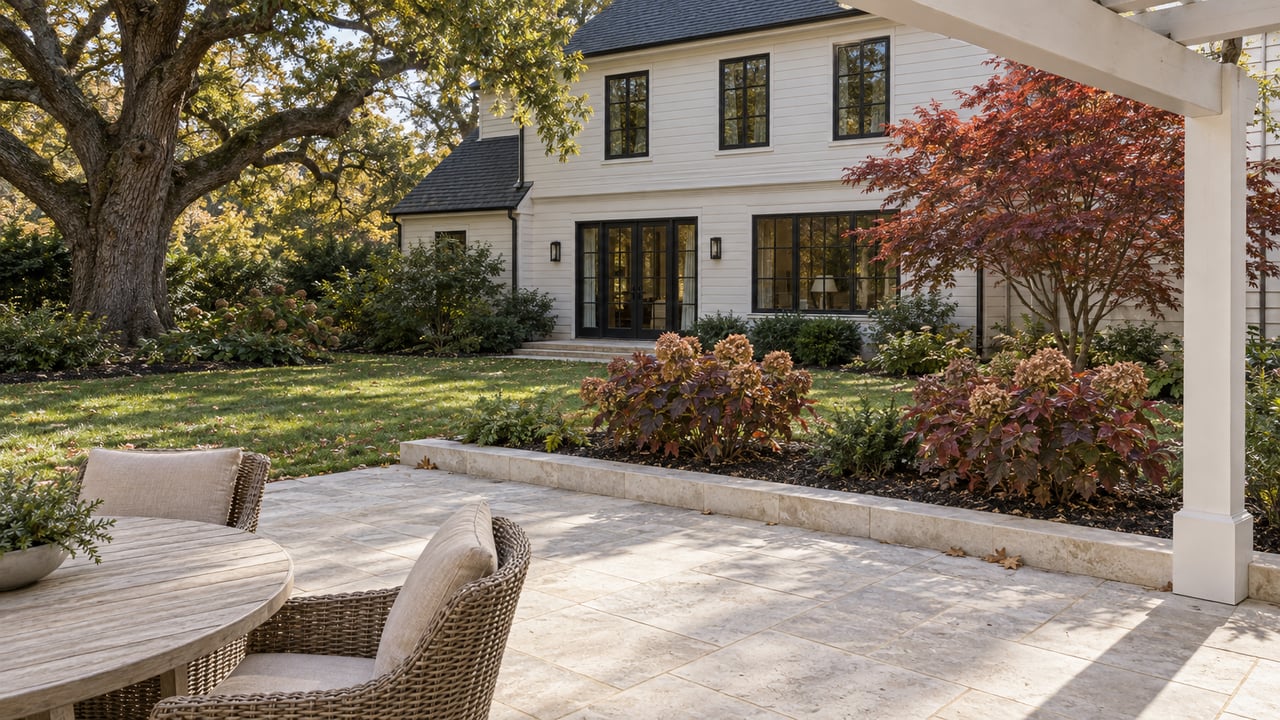
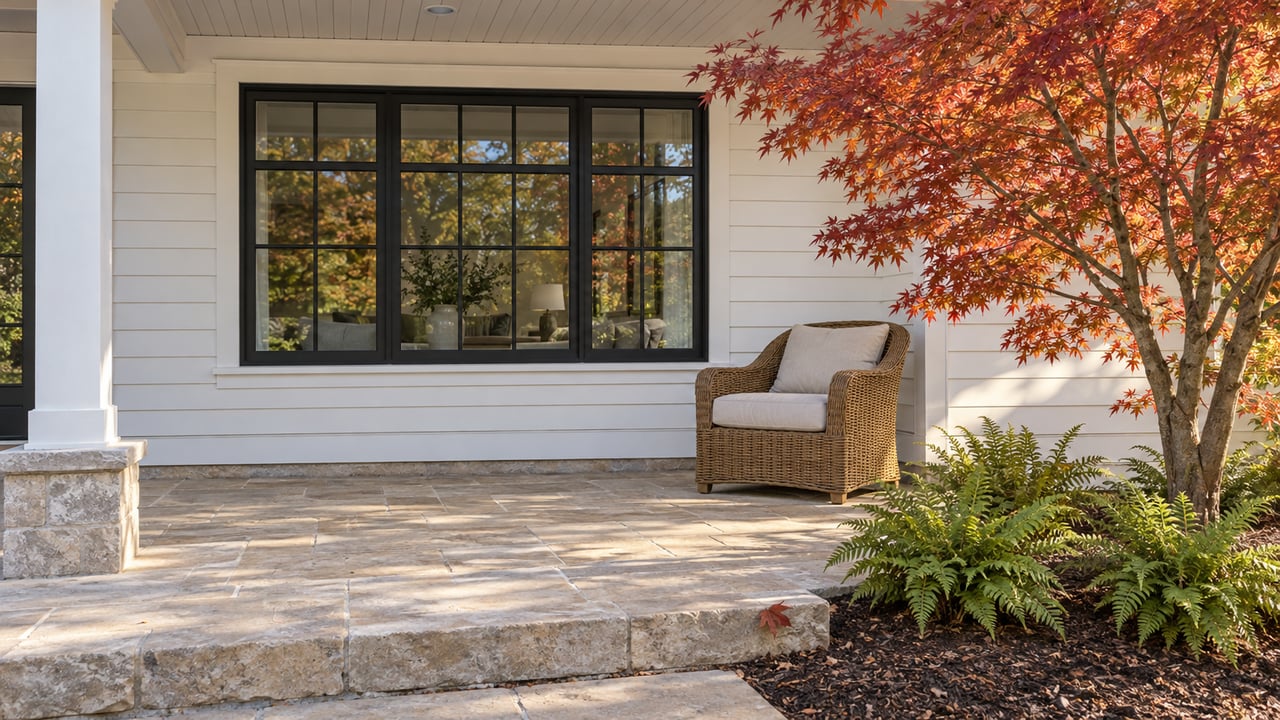
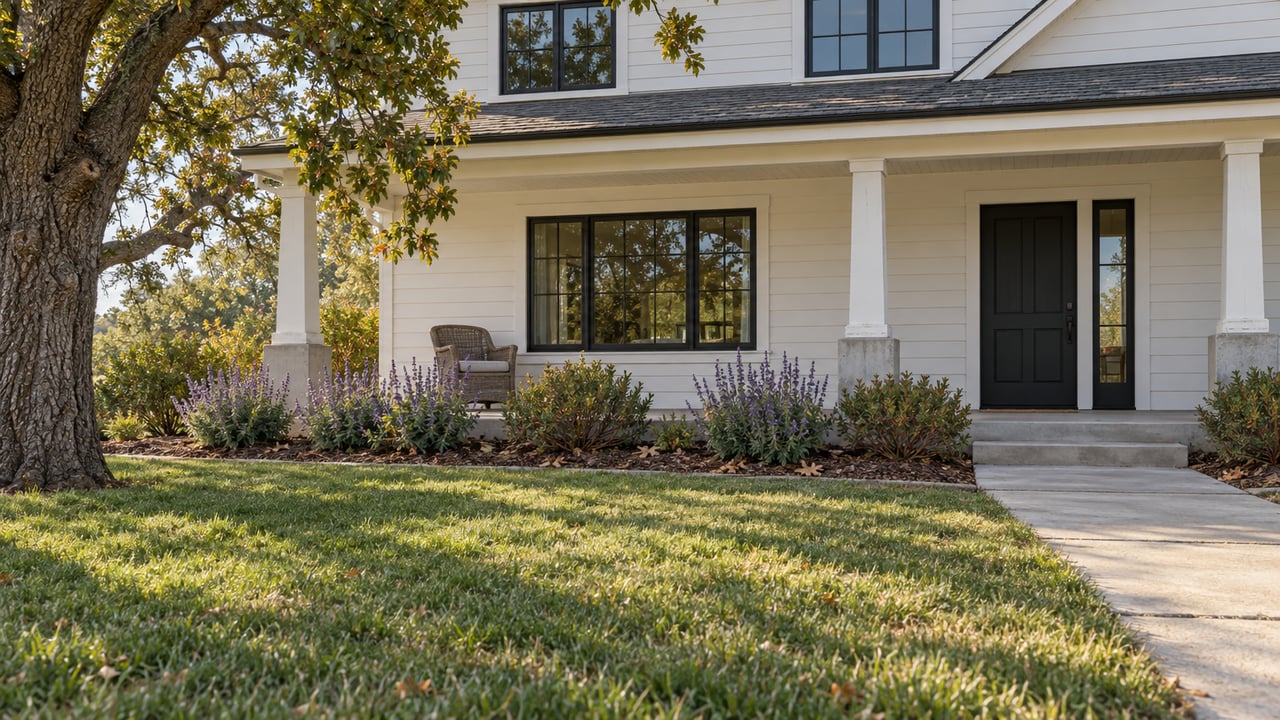
Before a buyer steps inside, your exterior has already set the tone. In NAR’s outdoor-features report, 92% of REALTORS recommended improving curb appeal before listing, and 97% said curb appeal is important to attracting a buyer.
In Lafayette, curb appeal often works best when it feels clean, restrained, and well maintained. A polished first impression does not have to mean a full remodel. It often means making the home look lighter, tidier, and more intentional from the street.
High-impact exterior updates
The most effective curb appeal changes are usually straightforward and visible right away:
- Fresh paint on the front door, or replacement if the door is worn
- Trimmed planting and neatly maintained beds
- Clean mulch and tidy walkways
- Simple exterior lighting
- A yard that looks polished and wildfire-conscious
These updates support a stronger first impression both online and during showings. They also signal that the rest of the property has been well cared for.
Focus on updates buyers notice
Not every pre-sale project deserves your time. The strongest strategy is usually to prioritize visible, lower-disruption improvements over highly customized renovations.
According to NAR’s 2025 Remodeling Impact Report, REALTORS most often recommended painting the entire home, painting one room, new roofing, kitchen upgrades, and bathroom renovations before selling. The same report found that a new steel front door had a 100% cost recovery, while a new fiberglass front door had 80% and a closet renovation had 83%.
That does not mean you should automatically take on every project. It means you should look for updates that improve condition, support the home’s style, and translate clearly in person and in listing photos.
Smart pre-listing priorities
Before listing, many Lafayette sellers benefit most from:
- Whole-home paint in fresh, neutral tones
- Targeted paint in rooms that feel dated or dark
- Minor kitchen improvements rather than a full custom overhaul
- Bathroom refreshes that improve cleanliness and presentation
- Entry upgrades, especially the front door and hardware
- Closet organization where storage is an obvious selling point
When these choices are handled with restraint, they help your home appeal to a broad pool of buyers without over-improving.
Stage the rooms that matter most
Staging is often the highest-leverage presentation step because it helps buyers picture how the home lives. NAR defines staging as cleaning, decluttering, repairing, depersonalizing, and updating a home so buyers can visualize themselves in the space.
That visualization matters. In the 2025 Profile of Home Staging, 83% of buyers’ agents said staging made it easier for buyers to see a property as a future home. For many sellers, that is the difference between a home that feels memorable and one that blends into the market.
Which rooms deserve the most attention
The rooms staged most often by sellers’ agents were:
- Living room
- Primary bedroom
- Dining room
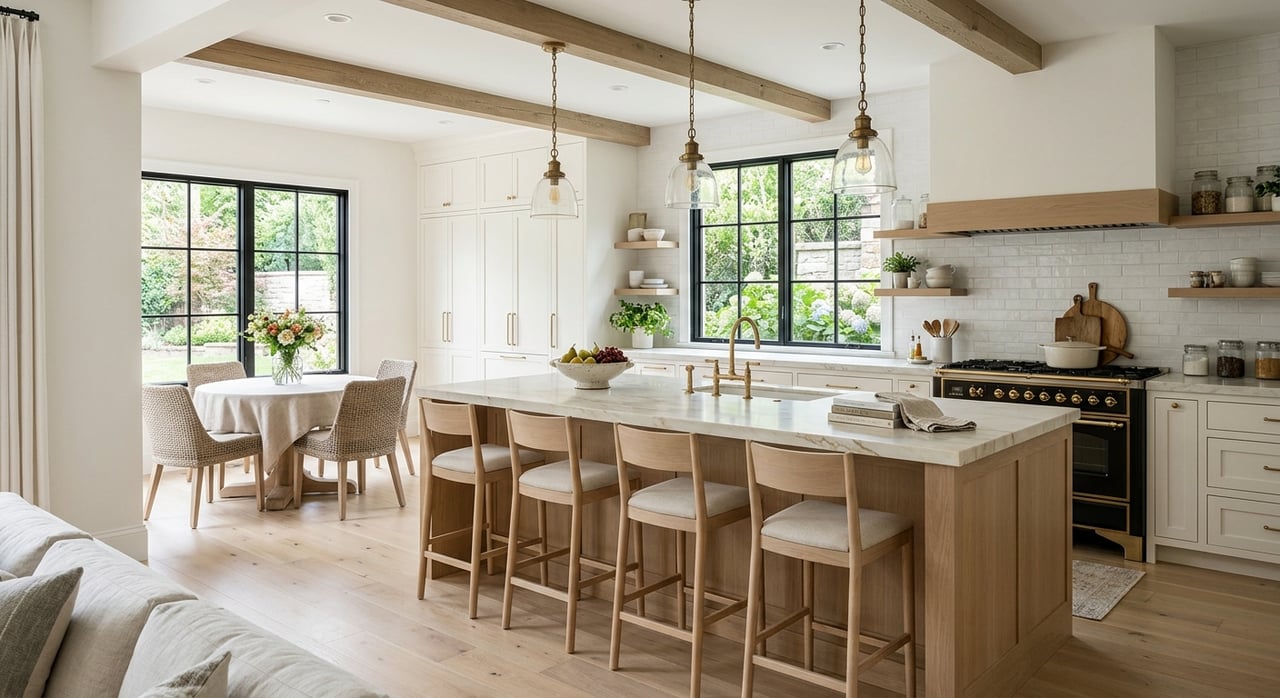
Buyers’ agents said the most important room to stage was the living room, followed by the primary bedroom and kitchen. That makes sense in Lafayette, where buyers often weigh everyday comfort, entertaining flow, and the overall quality of the main living spaces.
A strong staging plan does not need to fill every corner. It should create clarity, scale, and warmth in the rooms that drive decision-making.
Treat photography as part of design
Your online presentation is not separate from staging. It is part of the same strategy.
In NAR’s staging report, buyers’ agents said photos were the most important listing asset for clients, ahead of physical staging, videos, and virtual tours. If your home looks refined in person but falls flat in photos, you may lose interest before buyers ever schedule a showing.
That is why the sequence matters. High-visibility updates should be finished before photography begins, and staging should be completed before the shoot. Clean lines, balanced furniture placement, and uncluttered surfaces help rooms read better on screen.
What staging can do for your sale
NAR reported that when sellers used a staging service, the median spend was $1,500. Sellers’ agents also said staging could improve outcomes in measurable ways:
- 19% said staging increased the dollar value offered by 1% to 5%
- 30% said staging slightly decreased time on market
Those results are not guaranteed, but they show why staging is often viewed as an investment in presentation rather than an extra step.
If virtual staging is used, any photo enhancement that materially alters the property should be disclosed so buyers get a true picture of the home.
Know Lafayette’s local rules
Good design strategy also means knowing when a cosmetic improvement becomes a regulated project. In Lafayette, some new construction and significant remodeling projects require a Design Review Permit. The city also notes that single-family projects over 6,000 square feet or over 17 feet high can trigger review.
This matters if you are thinking about making larger pre-sale changes. A project that affects timing, approvals, or scope may not be the right move if your goal is to get to market efficiently.
Right-of-way and exterior details
Sellers should also be careful with improvements near the street. Lafayette says fences, decorative mailboxes, or landscaping in the public right-of-way can require an encroachment permit or agreement.
Some light landscaping may be allowed there without a permit, but permanent structures are not. If your plan includes exterior upgrades near the front edge of the property, it is wise to separate simple cleanup from anything that could trigger extra review.
Factor in wildfire readiness
In Lafayette, presentation and preparedness often go together. The city’s current Fire Hazard Severity Zone map went into effect on July 10, 2025 and covers 7,018 acres, including 41 acres in very high zones and 5,309 acres in high zones.
For sellers in higher-risk areas, wildfire readiness is not just a maintenance item. It may also be part of what buyers notice when they assess the property’s condition and care.
What sellers should address
Lafayette says residents in high-risk areas should create defensible space and harden their homes. That includes:
- Trimming vegetation within 30 feet of structures
- Managing vegetation 30 to 100 feet from structures
- Keeping ladder fuels at least six feet above the ground
The city also states that residential sellers in high or very high fire hazard zones need defensible-space compliance documentation. If your home falls within one of those areas, that should be part of your pre-listing preparation.
Follow the right design workflow
The best pre-sale design plan usually follows a clear order. Start with a property review, separate cosmetic work from permit-triggering work, complete visible updates first, and stage the home last.
That sequence helps protect your timeline and keeps your effort focused on what buyers actually see. It also reduces the risk of spending money in areas that do little to improve your market presentation.
For many Lafayette sellers, the goal is not to redesign the home from scratch. It is to present the home in its best light, with thoughtful updates, strong visual consistency, and a clear strategy behind every decision.
When you are preparing to sell in Lafayette, design is not just about style. It is about making smart choices that support condition, presentation, timing, and buyer confidence. If you want a tailored plan for your home, The Beaubelle Group can help you evaluate the highest-impact updates, coordinate presentation, and bring your property to market with care.
FAQs
What design updates matter most before selling a Lafayette home?
- The highest-impact updates are usually visible improvements such as curb appeal, fresh paint, front door upgrades, light kitchen or bathroom refreshes, and staging in key living areas.
Why is staging important for a Lafayette home sale?
- Staging helps buyers picture themselves living in the home, and buyers’ agents reported that it makes that visualization easier, especially in the living room, primary bedroom, and kitchen.
Do Lafayette sellers need permits for pre-sale improvements?
- Some larger remodeling or construction projects may require a Design Review Permit, and certain items in the public right-of-way, such as fences or decorative mailboxes, can require an encroachment permit or agreement.
How does wildfire readiness affect a Lafayette home sale?
- In higher-risk areas, sellers may need defensible-space compliance documentation, and buyers may pay close attention to vegetation management and overall property maintenance.
When should photography happen during the listing process?
- Photography should happen after high-visibility updates are finished and after the home is staged, so the online presentation reflects the property at its best.