If you are looking for a Lafayette lifestyle that feels active, connected, and distinctly local, living near the Trail Loop deserves a closer look. This part of town appeals to buyers who want more than a home address. You may be looking for everyday access to walking and biking routes, a practical connection to BART, or a setting that balances outdoor recreation with a polished suburban feel. Here is what living along Lafayette’s trail network tends to look like in real life. Let’s dive in.
What the Trail Loop Means in Lafayette
In Lafayette, the idea of a trail-loop lifestyle is shaped mainly by the Lafayette-Moraga Regional Trail and the Lafayette Reservoir Recreation Area. Together, they create a network that supports both recreation and daily movement through town.
The City describes its trail system as a way to link neighborhoods, provide alternative routes to public facilities, and connect with broader regional trail networks. That matters because the trails are not just scenic amenities. They are part of how many residents experience Lafayette day to day.
A setting built for daily use
The most common uses near the trail corridor are simple and consistent: walking, jogging, bicycling, and dog walking. At the reservoir, you have a paved 2.7-mile Lakeside Nature Trail and an unpaved 4.7-mile Rim Trail, while the Lafayette-Moraga Regional Trail stretches 7.65 miles as a linear park for hiking, bicycling, and equestrian use.
That range gives you options depending on your routine. You can head out for a short paved loop, a longer scenic trail outing, or a bike ride that connects you to other parts of Lafayette and Moraga.
Everyday Lifestyle Along the Corridor
Living near the Trail Loop often means outdoor movement becomes part of your normal schedule rather than something you plan only on weekends. It is the kind of environment where a morning walk, an after-work run, or a quick dog outing feels easy to fit into the day.
The reservoir is a major part of that experience. It is a year-round day-use park with hiking, jogging, fishing, boating, and picnicking, and EBMUD notes that its connector trails add up to more than 10 miles of scenic hiking.
Recreation that feels close at hand
One of the biggest advantages of this area is convenience. When trails and recreation are woven into the surrounding streets and neighborhoods, it can change how often you actually use them.
That is especially true in Lafayette, where the City notes that trails are particularly beneficial for people who live nearby. For many buyers, that translates into a lifestyle that feels more active without needing a major shift in routine.
Trail access beyond recreation
The Lafayette-Moraga Trail does more than offer a place to exercise. East Bay Regional Park District notes that it connects to schools, local parks, downtown Moraga, and regional trails.
Lafayette’s own trail planning also emphasizes connections between neighborhoods and public facilities. So while the setting is recreational, it also has a practical side that supports everyday errands, school-area access, and alternative ways to move through town.
Reservoir, Downtown, and BART Connections
One reason this part of Lafayette stands out is that it combines outdoor access with useful proximity to town amenities. You are not choosing between a trail-oriented lifestyle and local convenience. In many cases, you get both.
The Lafayette Reservoir Recreation Area is located about one mile from Lafayette BART. That close relationship supports a lifestyle that can blend trail use, downtown access, and commuting patterns in a way that feels distinctly Lafayette.
BART access supports commuters
Lafayette BART adds a practical layer to the Trail Loop lifestyle. BART describes Lafayette Station as centrally located in the East Bay hills, with a quiet rural atmosphere and a distinctive downtown.
For buyers who commute or split time between driving and transit, that matters. This is not a fully car-free environment, but it can offer a more flexible routine with access to parking, transit, and trail-connected movement.
Downtown remains part of daily life
Downtown Lafayette is not separate from this lifestyle. City reporting describes downtown as tree-lined and event-rich, with restaurant row, locally owned stores, and recurring community events such as the Art & Wine Festival and restaurant strolls.
That gives the Trail Loop area a broader appeal. You can enjoy a setting rooted in outdoor access while still being close to dining, shops, and the civic energy of downtown.
What Homes Near the Trail Loop Often Feel Like
For many buyers, the appeal of this area is not only the trails. It is also the physical character of the neighborhoods around them.
Lafayette remains predominantly single-family. According to the City’s Housing Needs Data Report, 76.9% of Lafayette’s housing stock in 2020 was detached single-family homes, with the remainder made up of attached homes and multifamily housing.
A mostly leafy, low-density setting
That housing mix helps explain the overall look and feel near much of the trail corridor. City zoning language in the R-6 single-family district emphasizes detached homes, larger minimum lot sizes for newly subdivided parcels, setbacks, and preservation of hills, open space, creek banks, and Lafayette’s rural nature.
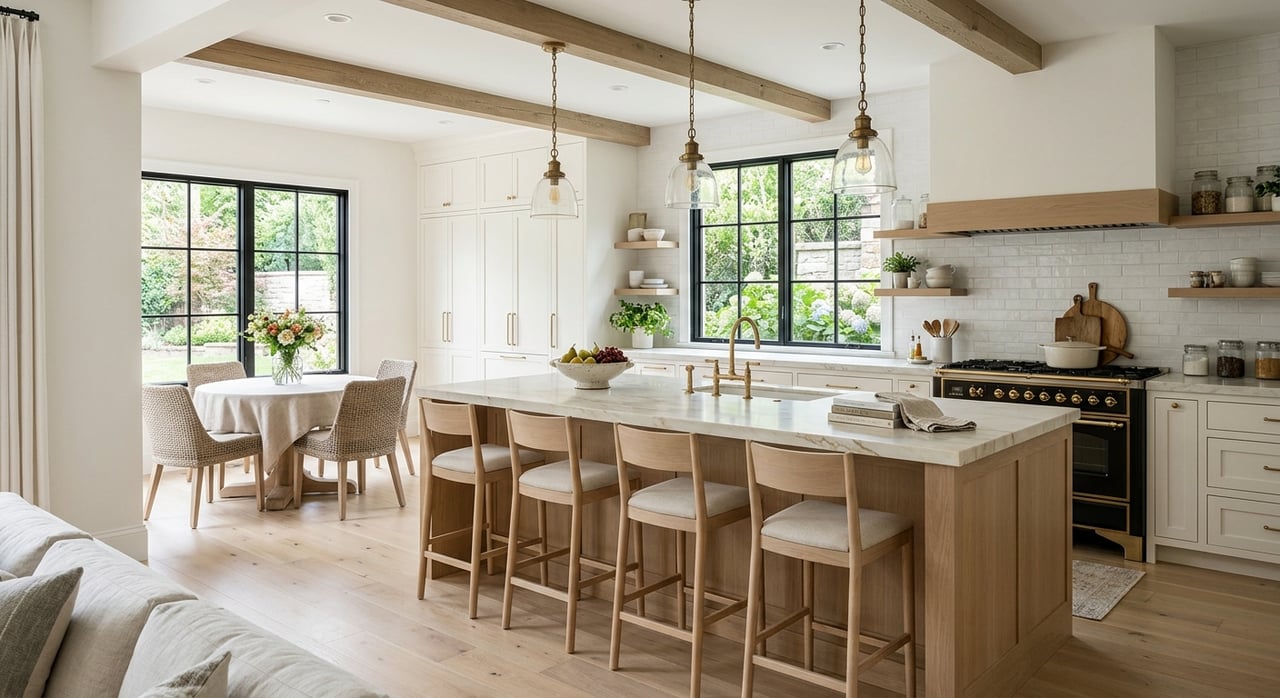
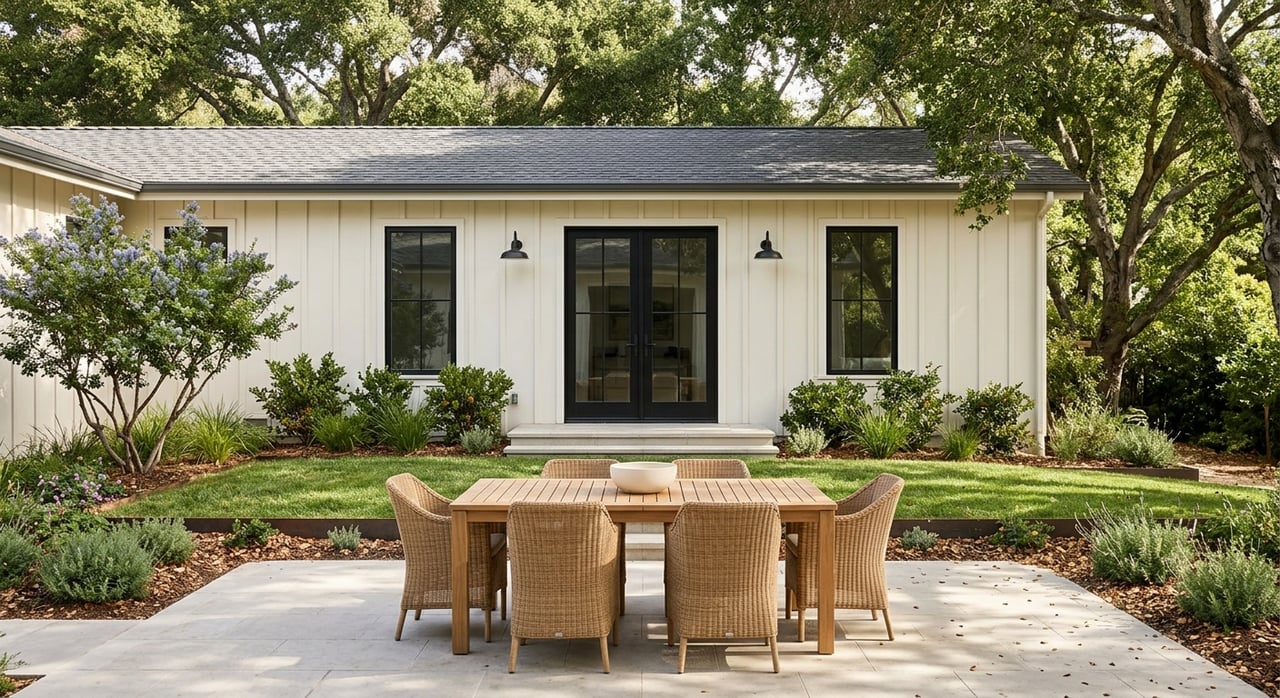
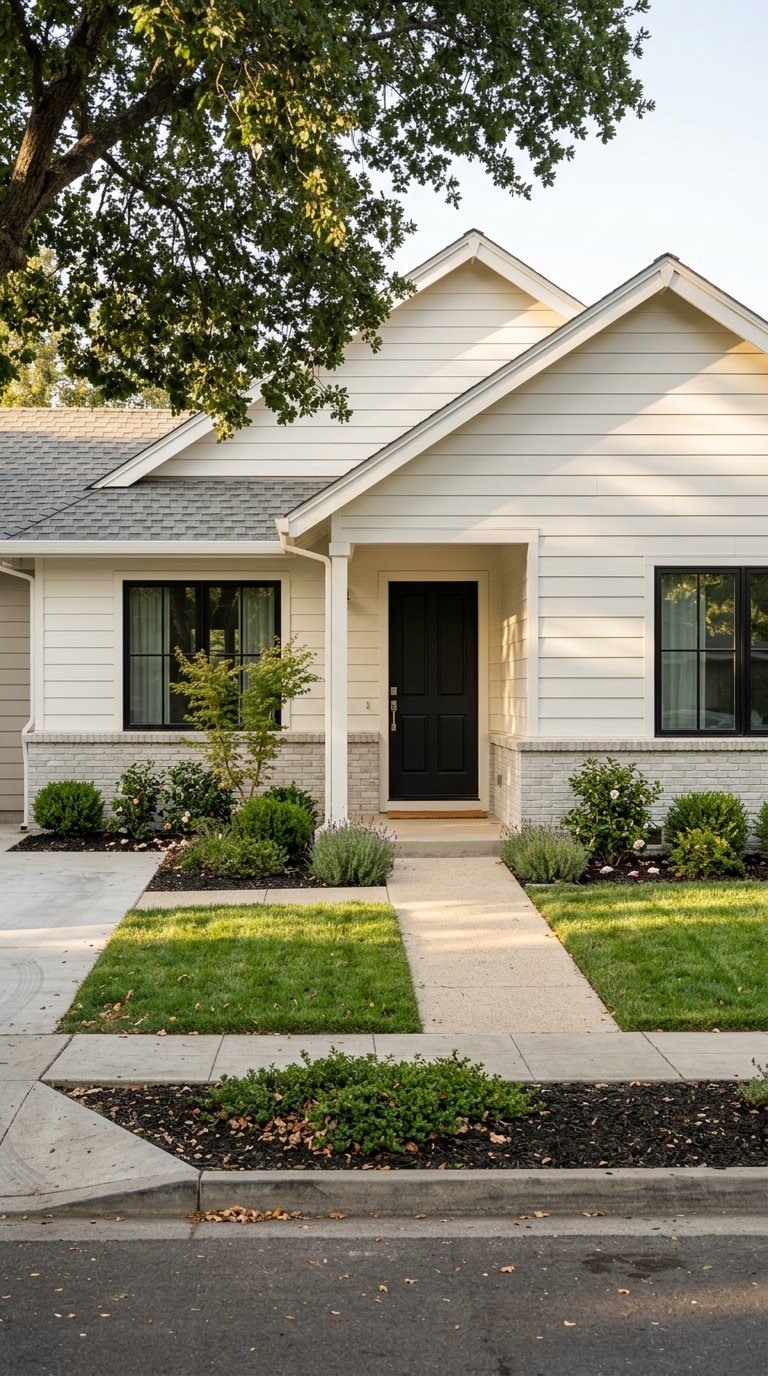
In practical terms, many parts of the corridor read as leafy and residential rather than urban. Detached homes, mature landscaping, and open-space edges are common visual cues in many areas.
Downtown offers a different housing pattern
The main exception is closer to downtown and the BART area. There, Lafayette’s planning documents describe objective design standards for downtown multifamily and mixed-use projects that address height, scale, landscaping, parking and circulation, pedestrian access, and outdoor space.
That means buyers can find different living patterns depending on where they focus. Much of the broader corridor reflects Lafayette’s established single-family character, while areas nearer downtown may feel somewhat more compact and mixed in use.
Who This Lifestyle Tends to Suit
The Trail Loop lifestyle is not one-size-fits-all, but it does have a clear audience. If you want a suburban setting where recreation is woven into daily life, this part of Lafayette is worth serious consideration.
The City explicitly notes that its trails are especially beneficial for people living nearby, and current projects are designed to improve access among trails, neighborhoods, schools, and transit. That gives the area a practical appeal in addition to its scenic value.
Buyers who want active routines
If you enjoy walking, running, biking, or getting outside with your dog, the appeal is easy to see. Nearby access to the reservoir and the Lafayette-Moraga Trail can make outdoor activity feel less like a destination and more like part of your neighborhood rhythm.
That kind of convenience often matters just as much as the trails themselves. The easier it is to step outside and go, the more likely you are to use the setting in your everyday life.
Commuters who want balance
This area also suits buyers who want a suburban home base with access to transit and downtown amenities. With the reservoir about a mile from Lafayette BART and ongoing city efforts to improve walking and biking links, the location supports a more connected routine without promising an urban, car-free lifestyle.
For many households, that balance is exactly the point. You get room, greenery, and a quieter setting, along with useful access to town and transit.
Households focused on connected routes
The City’s Connecting Lafayette project aims to create safer routes for students, parents, and caregivers around Stanley Middle School and Lafayette Elementary School. More broadly, the City is also advancing projects such as the Aqueduct Pathway and Connecting Lafayette to create safer, more direct pedestrian and bicycle links between downtown, neighborhoods, BART, and school areas.
Those efforts reinforce the long-term value of the trail network. They suggest a city continuing to invest in how people move through Lafayette on foot and by bike.
A Few Practical Expectations
It helps to approach this lifestyle with a clear picture. Lafayette is becoming more walk- and bike-friendly, but it is still best understood as trail-connected suburban living.
The City’s Downtown Parking Management Study focuses on improving how existing parking works rather than expanding supply, which supports that more balanced view. In other words, outdoor access and connectivity are real strengths here, but most households will still think in terms of a mix of walking, biking, driving, and transit.
Why the Trail Loop Stands Out
What makes living along Lafayette’s Trail Loop compelling is the combination of features rather than any single amenity. You have access to a reservoir, a regional trail, a connected downtown, and BART, all within a setting that remains largely residential and green.
For buyers who value daily movement, neighborhood character, and practical access to town, that combination can be hard to replicate. It is one of the clearest examples of Lafayette’s ability to blend outdoor living with polished suburban convenience.
If you are considering a move in Lafayette and want guidance on neighborhoods, home styles, and the lifestyle trade-offs near the trail corridor, The Beaubelle Group can help you navigate the market with local insight and a tailored approach.
FAQs
What is the Trail Loop lifestyle in Lafayette?
- In Lafayette, the Trail Loop lifestyle is shaped mainly by the Lafayette-Moraga Regional Trail and the Lafayette Reservoir Recreation Area, which support recreation, neighborhood connections, and access to other parts of town.
What outdoor options are available near Lafayette’s Trail Loop?
- The reservoir offers a paved 2.7-mile Lakeside Nature Trail, an unpaved 4.7-mile Rim Trail, and day-use activities such as hiking, jogging, fishing, boating, and picnicking, while the Lafayette-Moraga Trail supports hiking, biking, and equestrian use.
What types of homes are common near the Lafayette trail corridor?
- Much of Lafayette remains predominantly detached single-family housing, and many areas near the corridor tend to feel leafy, low-density, and residential, with denser housing patterns more commonly found closer to downtown and BART.
Is Lafayette’s Trail Loop area good for commuters?
- The area can work well for commuters who want a suburban setting with BART access, especially since the reservoir is about one mile from Lafayette BART and the City is working on better walking and biking connections.
Is living near Lafayette’s Trail Loop a car-free lifestyle?
- Not typically. Lafayette is becoming more walk- and bike-friendly, but the lifestyle is better understood as connected suburban living that usually includes a mix of driving, transit, walking, and biking.