Torn between the privacy of Alamo and the convenience of Walnut Creek for your next luxury move? You are not alone. Both offer top-tier homes but deliver very different day-to-day experiences, price dynamics, and paths to value. In this guide, you will see how pricing, inventory, lot sizes, and lifestyle compare so you can choose with confidence. Let’s dive in.
Quick market snapshot
The two markets sit minutes apart, yet they behave differently. Alamo reads like a small, estate-focused enclave with limited inventory and multi-million-dollar price points. Walnut Creek is a larger, mixed market with an urban core, a wide range of home types, and significantly more listings.
| Metric | Alamo | Walnut Creek |
|---|---|---|
| Median home price | $2,250,000 | $648,500 |
| Active listings | 34 | ~217 |
| Median price per square foot | ~$839 | ~$538 |
| Median days on market | ~80 days | ~62 days |
| Source and period | Realtor.com, Dec 2025 | Realtor.com, Dec 2025 |
Notes to interpret the data:
- Different providers and methods lead to different snapshots. For example, other indices show Alamo around $2.41M typical value and Walnut Creek closer to $795K to $1.00M, depending on whether you look at listing or sold prices and which mix of homes is included. The key takeaway is the gap between an estate-oriented Alamo and a broader, mixed Walnut Creek market.
What luxury means locally
“Luxury” in the Bay Area is best defined by price percentiles rather than a fixed dollar number. Industry analyses often use the top 10 percent as entry-level luxury and the top 5 percent as high-end. Nationally, that entry level hovered near $1.3M in late 2025, while the San Francisco–Oakland metro sat much higher around the mid-two-million range at that time. The implication is simple. In Alamo, the community median is already in the multi-million-dollar tier, so many homes meet or exceed regional luxury thresholds. In Walnut Creek, the citywide median is lower because it includes many condos and townhomes, so luxury tends to concentrate in specific single-family neighborhoods.
Housing stock and lot sizes
Alamo: Estate space and privacy
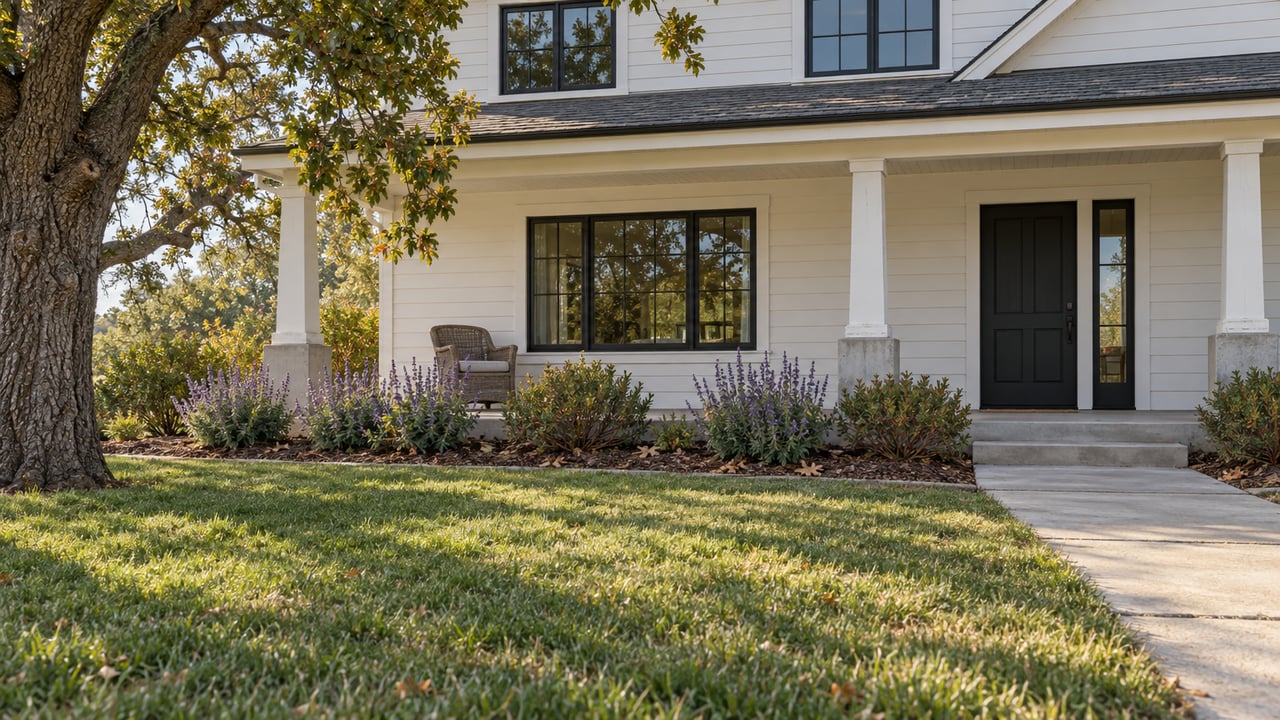
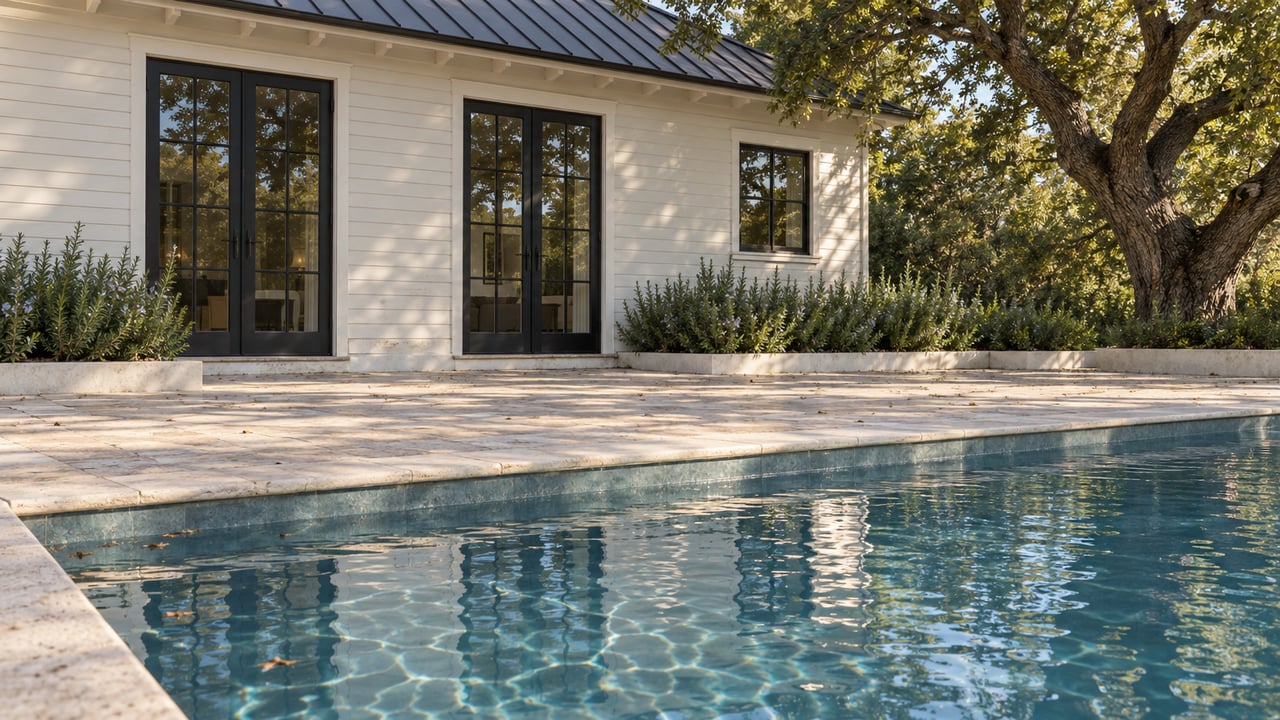
Alamo is known for custom single-family estates and larger parcels. Lots around 0.4 to more than 1 acre are common. You often see long setbacks, mature trees, pools, outdoor kitchens, and room for guest houses or ADUs. The experience feels private and quiet, with a country-estate character.
What that means for you:
- You gain space, privacy, and flexibility for amenities.
- You take on higher purchase prices and carrying costs.
- You plan for ongoing grounds and systems maintenance, particularly on wooded or hillside parcels.
Walnut Creek: Product diversity and access
Walnut Creek offers a broad mix, from downtown condos and townhomes to mid-century and traditional single-family neighborhoods, plus a few hillside or larger-parcel pockets. Lot sizes are typically smaller than Alamo in the urban core and many flat neighborhoods, often under a half acre, though exceptions exist. The variety is a strength if you want more choices at different price points or a low-maintenance option near dining and services.
What that means for you:
- You choose from more property types, including lower-maintenance condos and townhomes.
- You typically find smaller lots in many neighborhoods.
- You still have paths to luxury single-family living, but larger-lot estates are less common and concentrated in specific areas.
Lifestyle and commute
Walnut Creek: Urban core, shopping, and transit
Walnut Creek functions as a regional hub. Downtown’s Broadway Plaza offers an upscale, open-air shopping and dining scene that anchors a lively city center. Recent local coverage highlights a steady uptick in restaurants and foot traffic, reinforcing the downtown energy and convenience. You also have a BART station near the core, with frequent service and straightforward highway access, which reduces commute friction for many professionals. See a transit-centered snapshot of the location and access on Plaza Walnut Creek’s overview.
Daily feel: walkable errands, restaurant choices, fitness and services close at hand, and easier regional connections.
Alamo: Quiet, estate-focused living
Alamo feels more rural-suburban, with wooded streets, foothill trail access, country-club pockets, and fewer retail clusters. You drive a short distance to reach downtown Walnut Creek or neighboring Lafayette for major shopping and dining. There is no BART station in Alamo, so plan on a short drive to nearby stations when you need rail access.
Daily feel: more privacy and calm, larger yards and slower streets, fewer walkable amenities.
Schools and attendance boundaries
School assignment varies by exact address in both communities. In Walnut Creek, central addresses are often served by the Walnut Creek School District, while other parts of the city fall under different districts for middle and high school. In Alamo, most homes are served by San Ramon Valley Unified School District. Always confirm attendance boundaries directly with the districts, since these can change and may influence your decision.
Buyer trade-offs to weigh
Privacy and land in Alamo
- Pros: larger lots, privacy, space for amenities like pools, ADUs, and outdoor rooms, and a prestigious estate feel.
- Consider: higher prices and carrying costs, more car reliance, and upkeep for expansive grounds or hillside settings.
Convenience and choice in Walnut Creek
- Pros: BART access, vibrant downtown shopping and dining, and a wide range of property types with more active listings citywide.
- Consider: smaller lots in many neighborhoods and luxury inventory concentrated in select single-family pockets rather than citywide.
Pricing dynamics and inventory
- Alamo is a small, thin market. Exceptional turnkey estates can command premiums and may transact on variable timelines.
- Walnut Creek’s larger inventory usually means more options and clearer comparables. If a large lot is a must, you will find fewer of them in Walnut Creek, so searches often require patience or a targeted neighborhood strategy.
Two quick neighborhood vignettes
An Alamo estate experience
Picture a custom home on roughly three quarters of an acre, set back from a quiet street with mature oaks. A long driveway leads to a classic facade and a generous three-car garage. Inside, you find double-height entry volume, formal and casual living spaces, and a kitchen that opens to the yard. Outdoors, the lot easily supports a pool, lounge terrace, and a detached structure that could serve as a guest suite or office. The feel is private and quiet, with trailheads and country-club amenities a short drive away. You trade walkable retail for space, privacy, and the flexibility to build out outdoor living to your preferences.
A Walnut Creek luxury pocket
Now imagine a single-family home in a sought-after Walnut Creek neighborhood with tree-lined streets and access to the downtown core within minutes. The parcel might be around a quarter to a third of an acre, which supports a pool or an outdoor dining terrace without the upkeep of a full acre. You gain proximity to top retail and dining, weekly errands are easier, and a BART trip to San Francisco or Oakland is straightforward. For many professionals, that balance of a polished home, smaller but well-designed outdoor space, and strong regional access makes life simpler and more predictable.
How to decide with confidence
- Define your non-negotiables. Is your top priority land and privacy or daily convenience and transit? Decide what you will not compromise on.
- Align your luxury tier. Use local percentiles to define “luxury” for your target neighborhoods rather than a fixed dollar number. This keeps you focused on true peer sets when comparing options.
- Map schools by address. Confirm attendance directly with the Walnut Creek School District and SRVUSD for any home you are serious about.
- Factor in lot-specific realities. Larger parcels may involve more maintenance, insurance planning, and wildfire-hardening. Review the property’s setting, slopes, and vegetation with your advisor.
- Compare like with like. When you evaluate price per square foot and time on market, ensure your comps share lot size range, condition, and neighborhood characteristics. Citywide medians can be misleading for luxury tiers, especially in Walnut Creek’s mixed market.
- Tour both on the same day. The contrast between Alamo’s estate feel and Walnut Creek’s urban convenience is clear when you experience them back to back.
Final thoughts
Alamo and Walnut Creek both deliver high-end homes, but they solve different needs. Choose Alamo if land, privacy, and an estate setting define luxury for you. Choose Walnut Creek if you value access, variety, and an active downtown with BART. If you are weighing a sale or purchase at the luxury tier, a tailored plan grounded in local data and presentation strategy will drive the best outcome.
If you are ready to compare options, price scenarios, and timing strategies, connect with The Beaubelle Group - CANCELED 2/22 for discreet, locally informed guidance.
FAQs
What are current median prices in Alamo and Walnut Creek?
- According to Realtor.com’s December 2025 snapshots, Alamo’s median home price is about $2.25M with roughly 34 active listings, while Walnut Creek’s citywide median is about $648,500 with around 217 active listings.
How do commute options differ between Alamo and Walnut Creek?
- Walnut Creek offers a downtown BART station and strong highway access, which reduces commute friction for many, while Alamo requires a short drive to reach nearby BART stations and is more car dependent.
What counts as “luxury” in Walnut Creek compared with Alamo?
- Use local price percentiles. In Alamo, many homes sit at or above regional luxury thresholds due to the community’s high median. In Walnut Creek, luxury concentrates in specific single-family neighborhoods rather than citywide.
Where will I find larger lots for outdoor amenities?
- Alamo commonly offers lots from roughly 0.4 to more than 1 acre that support pools, guest structures, and expansive outdoor living. Walnut Creek has some larger-parcel pockets, but many neighborhoods feature smaller lots.
How do schools vary between the two communities?
- Most Alamo addresses are served by San Ramon Valley Unified School District, while Walnut Creek addresses fall into multiple districts. Always confirm attendance with the Walnut Creek School District and SRVUSD for a specific property.
Why do price figures differ across websites and reports?
- Different providers measure different things, such as median listing price versus median sold price or smoothed value indices, and they use different timeframes. Small markets like Alamo can show larger month-to-month swings as a result.