Imagine hosting dinner outside eight months a year, with sunsets over the hills and a cozy glow after dark. In Walnut Creek’s Mediterranean climate, that vision is realistic for much of the year, and buyers increasingly expect it. You want an outdoor space that looks beautiful, works hard, and is simple to maintain. This guide highlights the outdoor living trends shaping Walnut Creek homes, how to adapt them to local conditions, and what can help your resale. Let’s dive in.
Why outdoor living in Walnut Creek
Walnut Creek enjoys warm, dry summers and mild, wetter winters, which creates a long outdoor season from late spring through early fall. That makes shaded dining, flexible seating, and evening lighting especially valuable. With summer drought conditions common, low‑water landscapes are also a smart, practical choice.
You also live near East Bay open space and trail networks, including access to scenic ridgelines and Mount Diablo through regional park connections. Proximity to trails often shapes buyer expectations for storage, pet‑friendly layouts, and view‑forward design. If your home sits near hills or open space, factor in wind and sun exposure, plus wildfire and defensible‑space needs.
Features buyers want now
Shaded dining and outdoor rooms
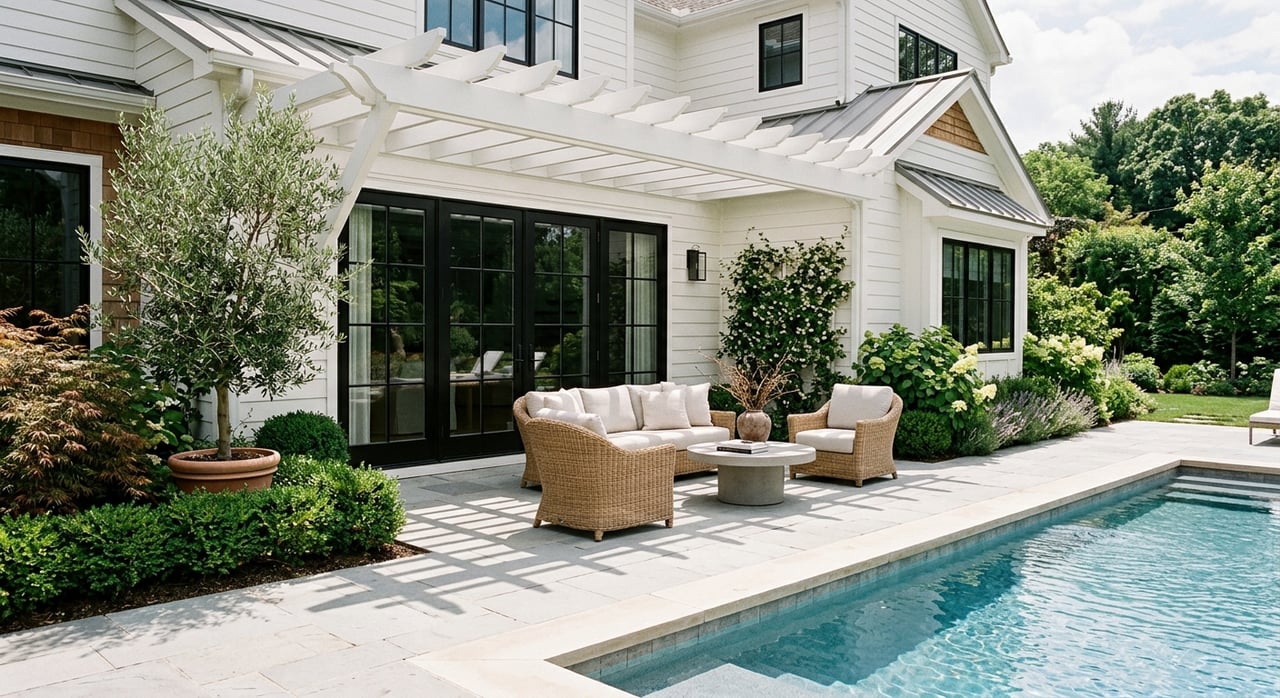
Buyers look for reliable shade and comfort. Fixed pergolas with retractable fabric, motorized awnings, or covered patios help manage intense summer sun while keeping spaces usable in shoulder seasons. Mature trees add natural shade, though roots and pruning require attention.
For resale, a defined outdoor “room” that photographs well is a plus. Consider built‑in seating, an outdoor rug for scale, and a clear dining zone. Plan for maintenance needs and permits if your structure includes electrical or plumbing.
Low‑maintenance hardscape and yard
You want durability with minimal upkeep. Permeable pavers, decomposed granite paths, and compact patios reduce watering and mowing. Pair artificial turf or small play zones with raised planters and mulch to keep maintenance simple.
Use native and Mediterranean plant palettes suited to local conditions. Shrubs like ceanothus and manzanita, plus lavender and ornamental grasses, thrive with drip irrigation and smart controllers. A well‑executed, low‑water design can be a differentiator when you sell.
Layered lighting for safety
Layered LED lighting extends your usable hours and improves safety. Combine path and step lights for navigation, task lighting for cooking, and soft accent uplights on trees or architectural features. In lower‑density areas, consider neighbor‑friendly, dark‑sky practices.
Quality lighting boosts curb appeal and listing photos. Permanent systems should be professionally installed and may need permits. Solar fixtures can fill gaps, although consistency varies in shaded zones.
Seamless indoor‑outdoor connections
Large sliders or folding glass doors that open level to a patio create a strong visual and functional link to the outdoors. Covered transitions protect finishes and let you use the space during light rain or on bright days. Matching floor tones inside and out can visually “extend” the living area.
Drainage, weather sealing, and insect screens matter here. Structural changes or widened openings often require permits. When done well, this feature elevates day‑to‑day living and buyer appeal.
Outdoor kitchens and heat
From a simple built‑in grill with prep space to a full kitchen, outdoor cooking anchors gatherings. In Walnut Creek, even a modest setup with storage and task lighting sees steady use. Fire pits or fireplaces extend evenings in spring and fall, and portable heat elements add flexibility.
Check local rules for open flame, especially during peak fire season. Quality and scale drive return on investment. A well‑planned, low‑maintenance station often delivers strong appeal without overbuilding.
Privacy and multifunctional yards
Buyers want privacy without losing light or airflow. Layered planting, evergreen screens, trellises with vines, and well‑placed fencing create separation while keeping spaces open and bright. On slopes, preserve view corridors thoughtfully.
Design for multiple uses in compact footprints. A corner for pets, a small lawn or turf patch for play, and a defined dining or lounge zone help different buyers picture their lives in the yard. Low‑maintenance privacy solutions tend to support value and show well.
Open space: expectations and value
If you are near major trails or hills, buyers often expect convenient gear storage, mudroom‑style drop zones, and pet‑friendly features like fenced yards or a dog wash. Quick morning trail access and evening walks add everyday lifestyle value. Scenic views can shift priorities, with some buyers accepting smaller lots if the setting is exceptional.
Proximity to parks is commonly highlighted in listings and can support faster sales. Balance the benefits with potential tradeoffs. If foot or bike traffic is common nearby, plan screening for privacy and simple parking strategies for busy weekends.
Plan for rules and safety
- Water use and drought: Expect a focus on water‑efficient landscaping, drip irrigation, and smart controllers. Local agencies may offer turf removal or irrigation rebates and can set watering guidance during dry periods.
- Wildfire and defensible space: Hillside and wildland‑urban interface areas may require vegetation management, specified clearances, and careful plant selection near structures. Plan fire features with seasonal restrictions in mind.
- Permits and HOA rules: Permanent shade structures, gas lines for grills, new electrical runs, and large door openings typically require permits. Many Walnut Creek neighborhoods have HOAs that govern fence heights, exterior modifications, and yard design.
- Stormwater and drainage: Increasing impermeable surfaces can trigger mitigation requirements. Favor permeable paving and correct grading to protect your home and reduce neighbor impacts.
- Accessibility: Level thresholds, non‑slip surfaces, and covered transitions support aging‑in‑place and widen your buyer pool.
Listing photos that sell
Focus on flow. Wide shots showing large doors open to a furnished patio help buyers feel the connection between interior and exterior. Capture shaded dining at midday and the evening glow of path and accent lighting to showcase functionality across the day.
Stage with restraint. Set a dining table for four to six, add a comfortable lounge vignette around a fire feature, and keep plantings tidy to emphasize low upkeep. If views or trail adjacency are assets, include a wide shot that orients the setting without compromising privacy.
Next steps
- Prioritize comfort first: shade, seating, and lighting.
- Make maintenance easy: low‑water planting, drip irrigation, and durable surfaces.
- Strengthen flow: consider a larger slider or a level threshold if your layout allows.
- Check requirements early: permits, HOA approvals, and fire‑season rules can shape timelines.
If you want to calibrate upgrades for your price range and neighborhood, we can help. Our integrated design and staging practice pairs tasteful outdoor improvements with strategic listing preparation, so your home shows beautifully and sells with confidence. Start the conversation with The Beaubelle Group.
FAQs
What outdoor upgrades add the most value in Walnut Creek?
- Covered dining or lounge areas, low‑maintenance landscaping, strong indoor‑outdoor connections, and layered lighting typically deliver the widest buyer appeal.
Are outdoor kitchens worth it in this climate?
- A modest built‑in grill with storage and task lighting often hits the sweet spot for cost and use, while full kitchens can be great if quality and maintenance are planned.
Which plants work best for low‑water yards in Walnut Creek?
- California natives and Mediterranean species, such as ceanothus, manzanita, lavender, succulents, and ornamental grasses, paired with drip irrigation and mulch.
Do I need a permit for a pergola or covered patio?
- It depends on size, attachment to the home, and electrical or plumbing; check City of Walnut Creek building requirements and your HOA before starting.
How does living near trails affect resale?
- Access and views generally support faster sales and stronger interest, but plan for privacy, screening, and parking strategies to balance weekend traffic.